


What is supply chain optimization?
From factories to shelves - a thread that can’t break
Supply chain optimization is a focused strategy to bring improvement across all elements of supply chain with the help of data processing, analytics, and AI. The goal of supply chain optimization is to improve procurement, store the right inventory in right locations, predict demand to avoid stock-outs, optimize travel paths for delivery, and reduce overall costs.
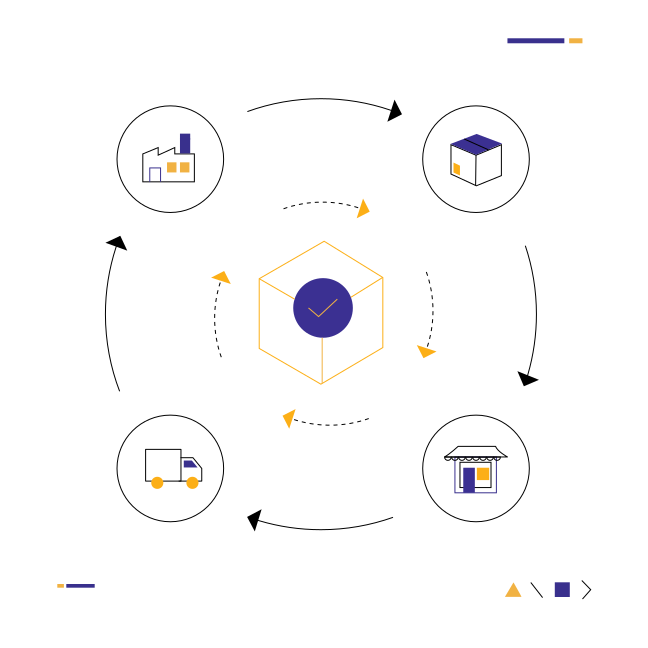
Differences between traditional and agile supply chain management
From not knowing what happened to predicting what’s needed
| Too many battles at once - holding costs, lack of visibility, & more | Smart & agile ops – more visible. Well planned & automated |
|---|---|
❌ Delays in meeting demands: mainly due to stockouts, insufficient labor, and poorly planned operations. | ✅ Flexible & adept in meeting demands due to clear planning, comprehensive tracking, & predictive supply-chain insights. |
❌ No clear picture about the future demand, either stocked out or over-stocked. | ✅ AI-based demand forecasting & inventory management: holding the right inventory levels. |
❌ Poorly organized to meet sudden demand fluctuations & disruptions. | ✅ More adaptive to meet any requirement changes; adjustable to cash in on demand shifts. |
❌ Less infusion of tech & modernization. Leads to more errors, delays, and high costs. | ✅ Many tasks being automated with IoT, AI, and block-chain technology. |
❌ Siloed operations—inventory, suppliers, shipments, all operating on their own. | ✅ End-to-end supply chain visibility from inventory updates to product tagging to supplier performance. |
Too many battles at once - holding costs, lack of visibility, & more
❌ Delays in meeting demands: mainly due to stockouts, insufficient labor, and poorly planned operations.
❌ No clear picture about the future demand, either stocked out or over-stocked.
❌ Poorly organized to meet sudden demand fluctuations & disruptions.
❌ Less infusion of tech & modernization. Leads to more errors, delays, and high costs.
❌ Siloed operations—inventory, suppliers, shipments, all operating on their own.
Smart & agile ops – more visible. Well planned & automated
✅ Flexible & adept in meeting demands due to clear planning, comprehensive tracking, & predictive supply-chain insights.
✅ AI-based demand forecasting & inventory management: holding the right inventory levels.
✅ More adaptive to meet any requirement changes; adjustable to cash in on demand shifts.
✅ Many tasks being automated with IoT, AI, and block-chain technology.
✅ End-to-end supply chain visibility from inventory updates to product tagging to supplier performance.
What can you expect from optimized supply chain?
Benefits of supply chain optimization
Better decision making

Risk management
Cost reduction
Customer satisfaction
Modernize your supply chain ops
Phases of supply chain optimization
Design: Supply chain optimization starts with strategic planning & design, where you align expected goals with optimization strategies. You design your ideal supply chain network (manufacturing sites, warehousing, distribution points, etc), set up data collection, select the right tools, and build the right foundation, tracing & tracking every supply chain point. Planning: The second stage is all about generating forecasting reports, aligning supply & demand & procurement & logistics, all together.
For example, planning procurement based on future demand or planning the smart route, leveraging AI & tracking sensors for faster deliveries at reduced costs, and more strategizing scenarios like this. Execution: The last stage, where everything comes together, inventories being managed, production being optimized, and deliveries being made. Supply chain becomes optimized - with integrated data insights, IoT based tracking of equipment & fleet, and continuous monitoring of supply chain KPIs from delivery times, inventory turnover, etc.
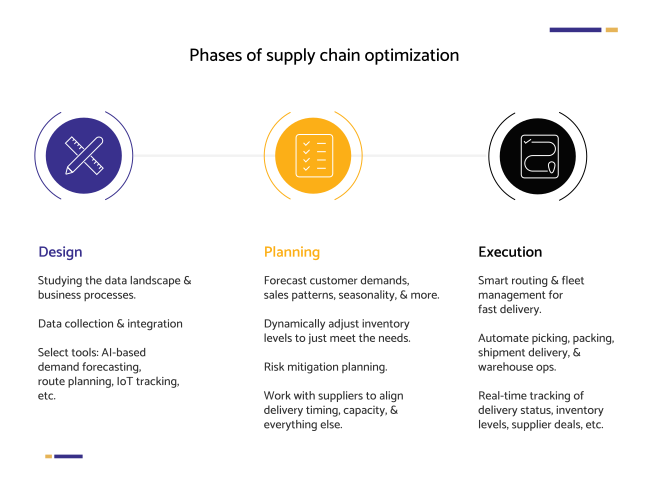
Supply chain optimization techniques
Ways to optimize your supply chain
Use analytics tools
Set up data processing and analytics - from demand forecasting to risk analysis to inventory planning. With the help of historical data and future-looking predictive insights, plan your inventory, production, and supply chain.
Centralized systems
Say no to fragmented data ecosystems. Adopt centralized data systems like Microsoft Fabric to bring every production & supply chain data in place. This is easier to manage, there’s multi-dimensional insights, and operational siloes stop existing.
Leverage mobile & internet technology
Make use of technology advancement to automate repeated monitoring tasks. Use IoT, automation, and AI and equip staff with the operating knowledge. Help them monitor supply chain conditions on the go with mobile systems and notifications.
Understand customer needs
Pay importance to the changing customer requirements; predict the buying trends and produce accordingly. Bring around customer feedback data into production & supply chain for better sales, revenue, and customer satisfaction.
Monitor and improve
Set up dashboards and periodic reports to constantly monitor and improve, especially areas delays can be catastrophic. Enable notifications to pay instant attention whenever there’s an issue.
Our story in stats
Known for agility, accuracy, and artistic story-telling
50+
Data professionals
10+
Years of experience
100+
Projects delivered
96%
Satisfactory customers
CUSTOMER SPOTLIGHT
Success stories from businesses like you
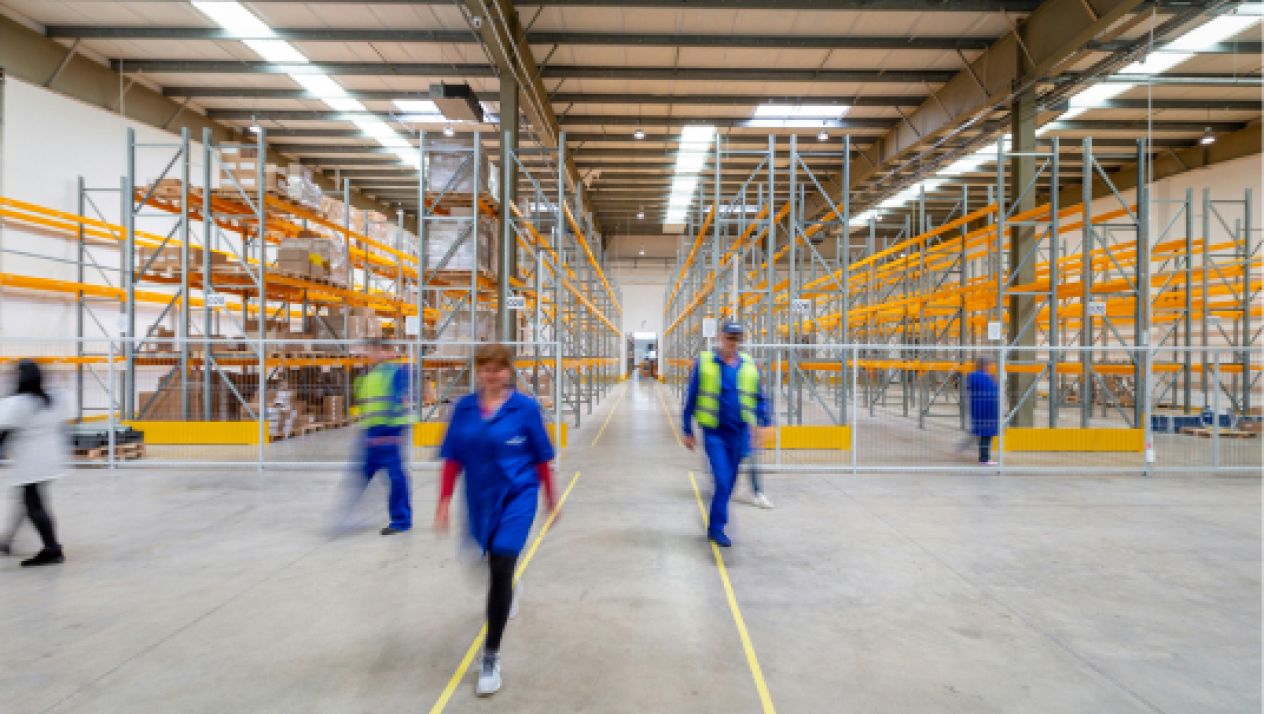
Optimizing the picking process using an AI-based slotting engine
15%
Reduction in physical labor
Identifying a near-optimal way to slot SKUs in a warehouse to minimize the picking process and labor movement and thereby costs.
Read full story
Reducing manual workload with AI for RCM company
85%
Accuracy in account processing validation
Payment processing agents save 10+ hours of work every day with AI-powered automated insurance validation process
Read full storyFAQs
Got questions? We got you covered.
How to optimize supply chain efficiency?
Supply chain optimization examples
Supply chain optimization in agriculture
What are supply chain optimization models?
Optimize supply chain with AI
Achieve more with AI-driven optimization

Predictive analytics
AI-based predictive models analyze historical sales & inventory data, market conditions, and other customer sentiment data to share insights about future—opportunities, demand rises and falls, and other trends. Insights that can come handy to plan end-to-end supply chain tasks.

Route optimization
A fleet management solution that finds the most efficient and fuel-saving route, considering traffic conditions, delivery data, fleet & labor availability, vehicle capacity, and more. Potentially used to maximize space utilization, cover more deliveries together, while making faster deliveries.

Risk management
Risk mitigation is paramount for supply chains, which AI can help manage proactively. By tracking and analyzing supplier & inventory data, sales trends, finance data, and other geopolitical situations, AI can flag risky & potential disruptions, so one can avoid it altogether rather than facing & fighting.

Production planning
AI can make overall production smoother by ensuring sufficient inventory, labor, and equipment conditions for every cycle. A production planning can suggest accurate inferences into future demand, inventory re-runs, labor requirements, and machinery conditions—promising smooth production operations.

Demand forecasting
Demand forecasting is for predicting exact customer demand in the future, analyzing market trends, historical data, external factors, etc., to make align inventory and production with the future demand and capitalize on any unexpected demand spikes.

Transport management system
An AI-based TMS manages shipment, fleet, and scheduling more efficiently through following measures: optimized load & utilization, dynamic labor and fleet allocation, and efficient route planning, helping with end-to-end fleet planning and management.