


Why integrate ERP with demand forecasting?
Predict future sales trends & more with demand planning ERP
In sectors like manufacturing, FMCG, logistics, and supply chain, demand planning ERP is a critical component: a data-driven process responsible for forecasting demand, planning production, and managing customer demands, delivering just the required amount of goods.

ERP is cool. But without demand forecasting, it’s incomplete.
Market conditions change every day; build something that swings with it.
| Traditional ERP planning is erratic, reactive, and manual. | Integrated forecasting with ERP means Flexible and automated processes. |
|---|---|
❌ Inventory planning relies on historical data and guess work; can be inaccurate. | ✅ Inventory planning is smooth, as future projections are aligned with historical data. |
❌ Need to wait for production, quality, and sales reports. Hence, slow and poorly responsive. | ✅ Already paired with existing ERP systems. Hence, timely alerts and automated adjustments. |
❌ Excessive cost involved due to labor intensive tasks, changing requirements, & chances of errors. | ✅ Fewer & planned operational costs – automated processes, fewer errors, and well-planned inventory. |
❌ Could affect customer expectations, if demand is not met. | ✅ Accurate forecasts roped into production ensures consistent availability. |
❌ No space or fewer scopes for scenario planning. | ✅ Much feasible to simulate requirements and planning and adjust real-time operations accordingly. |
Traditional ERP planning is erratic, reactive, and manual.
❌ Inventory planning relies on historical data and guess work; can be inaccurate.
❌ Need to wait for production, quality, and sales reports. Hence, slow and poorly responsive.
❌ Excessive cost involved due to labor intensive tasks, changing requirements, & chances of errors.
❌ Could affect customer expectations, if demand is not met.
❌ No space or fewer scopes for scenario planning.
Integrated forecasting with ERP means Flexible and automated processes.
✅ Inventory planning is smooth, as future projections are aligned with historical data.
✅ Already paired with existing ERP systems. Hence, timely alerts and automated adjustments.
✅ Fewer & planned operational costs – automated processes, fewer errors, and well-planned inventory.
✅ Accurate forecasts roped into production ensures consistent availability.
✅ Much feasible to simulate requirements and planning and adjust real-time operations accordingly.
Instant decisions with ERP + forecasting
Integrate ERP with forecasting - What does it mean?

Integrating ERP with demand forecasting systems is all about leveraging predictive capabilities, AI and data-driven tools to generate accurate demand projections and use them to drive production planning, inventory, and supply chain—relying on data to make strategic, financial, and resource allocation decisions.
How ERP forecasting helps with business growth?
Benefits of integrating forecasting with ERP
Better inventory management

Resource allocation planning
Enhanced cash flow
Continuous improvement
Plan today with tomorrow’s insights
How demand forecasting + ERP work together?
Data collection
Required data for forecasting is collected from ERP systems: historical data, inventory levels, production data, orders, purchasing trends, etc.
Data preparation & processing
The collected data is prepared for analysis and processing, which includes cleaning, standardization, de-duplication, imputation, feature engineering and other suitable transformation techniques.
Demand forecast generation
ML-based forecasting models, stastical models, or other AI predictive analytics system is used to analyze the processed data, picking trends, seasonality, and economic indicators out of it.
Aligning forecast with ERP
The forecasting report is fed into the ERP systems, helping it make operational adjustments. This could be for order replenishments, production scheduling, labor allocation, and any other planning strategy.
Real-time monitoring & updates
Consistent monitoring is required, as forecasting reports vary in real time, based on up-to-date inventory, sales, production data, or external factors, making sure that your resource planning stays accurate & relevant.
Our story in stats
Known for agility, accuracy, and artistic story-telling
50+
Data professionals
10+
Years of experience
100+
Projects delivered
96%
Satisfactory customers
CUSTOMER SPOTLIGHT
Success stories from businesses like you
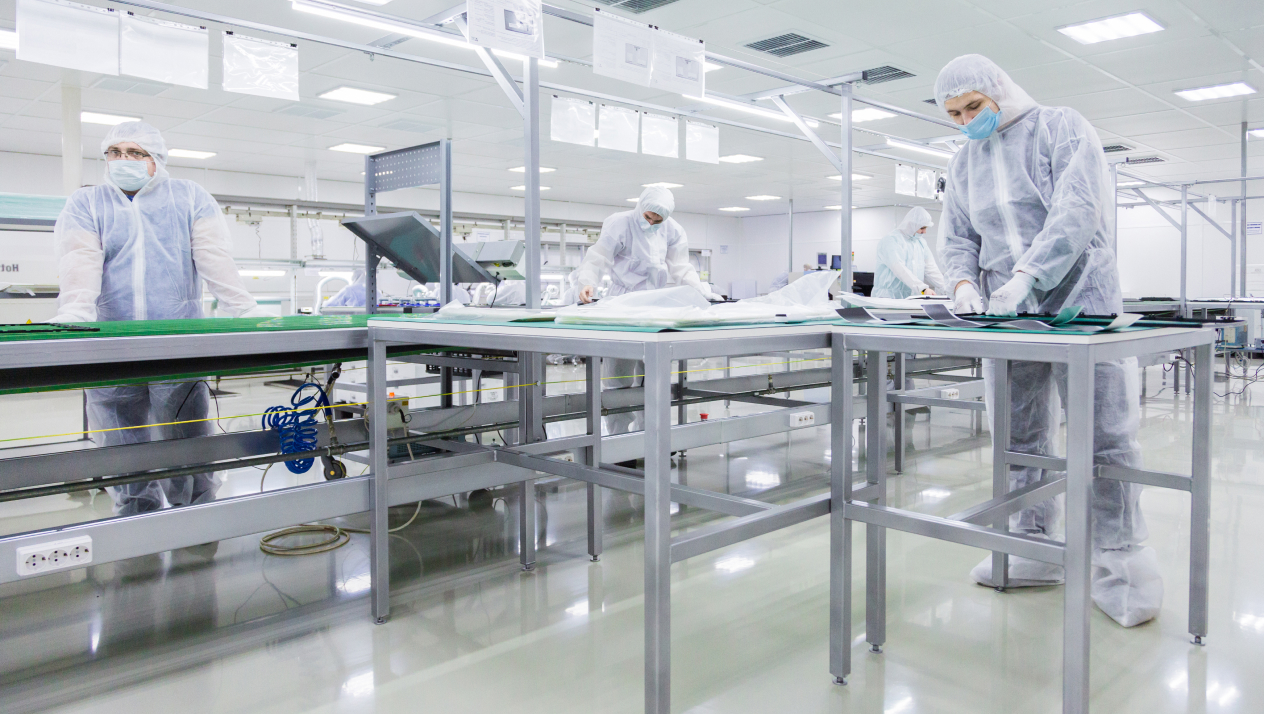
Improved acceptance rate and real-time QC in pharma manufacturing
15%
Increase in acceptance rate for drug products
12%
Increase in acceptance rate for drug substances
How did a pharma manufacturer improvise their standards to quality 4.0 levels using QC performance analysis?
Read full story
Promoting lean manufacturing through inventory analysis
23%
Reduction in understocking
28%
Decrease in overstocking
Global manufacturer reduces inventory overstocking by 23% and understocking by 28% using data-driven decisions.
Read full storyFAQs
Got questions? We got you covered.
How do ERP systems help businesses achieve operational excellence?
Are there any risks with ERP demand forecasting?