


What's automation in manufacturing?
Optimized production schedules that yield better results
Manufacturing automation, in plain terms, denote the use of technology and modern tools to minimize human interference in manufacturing processes. It isn’t always about the involvement of robots & cobots. Automation in manufacturing could also mean the usage of AI tools, where production planning happens automatically based on demand prediction.

From broken processes to smart factories
If-this-then-that automation may not be apt enough to meet changing demands
| Cluttered, manual processes, with fixed, rule-based workflows | Smart factory that's automated, dynamic, and improves on its own. |
|---|---|
❌ Follows fixed rules that has been set long back ago. | ✅ Learns from historical and real-time data; & changes without having to reprogram. |
❌ Load scheduled on time regardless of machine health. | ✅ Follows predictive maintenance, where failures & overloading are prevented. |
❌ Requires high monitoring. | ✅ Systems learn on their own & optimizes itself. Raises alerts when required. |
❌ Data serves only reporting purposes | ✅ Data becomes the heart of everything: facilitating continuous monitoring and improvement. |
❌ Scaling becomes difficult; requires more resources. | ✅ Can scale across the departments and plants with ease. |
Cluttered, manual processes, with fixed, rule-based workflows
❌ Follows fixed rules that has been set long back ago.
❌ Load scheduled on time regardless of machine health.
❌ Requires high monitoring.
❌ Data serves only reporting purposes
❌ Scaling becomes difficult; requires more resources.
Smart factory that's automated, dynamic, and improves on its own.
✅ Learns from historical and real-time data; & changes without having to reprogram.
✅ Follows predictive maintenance, where failures & overloading are prevented.
✅ Systems learn on their own & optimizes itself. Raises alerts when required.
✅ Data becomes the heart of everything: facilitating continuous monitoring and improvement.
✅ Can scale across the departments and plants with ease.
Benefits of automation in manufacturing
Automation helps employees stay more efficient
Reduction in cost

Less prone to error
More efficiency
Better quality
Better decision-making
Scale with better predictability
Types of manufacturing automation
The most recent enhancements in manufacturing automation
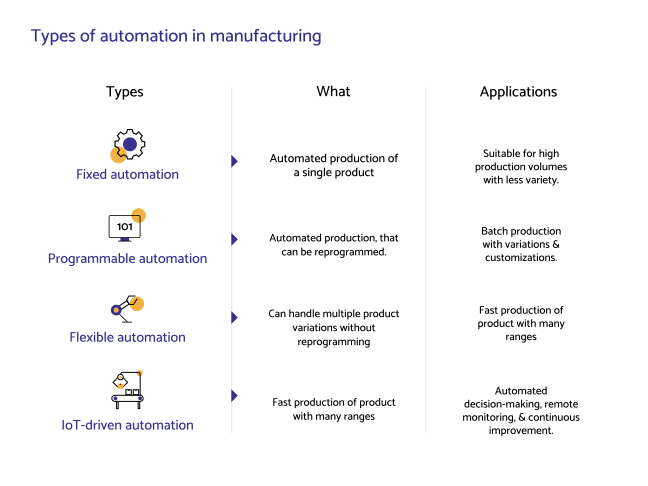
Fixed automation involves specific types of machines and equipment, hard programmed to do a specific task. Suitable for mass production of standardized goods and low variety ranges, as it cannot be altered. Whereas, programmable automation uses flexible automation systems, re-programmable for customization using systems like CNC or PLCs.
Flexible automation uses computer-controlled machines, flexible like programmable, but reduces downtime between customizations. Hence, this is suitable for high variations, low volume production workflows. Most advanced automation is the IoT-driven, which allows communication of data, makes real-time monitoring possible with fewer resources, aiming for autonomous control. Ex: Smart quality control.
Six things you need to automate manufacturing processes
How automation works in manufacturing industry?
Raw materials and planning
It starts with tracking inventory materials automatically, planning the needed quantities and goods for the current workload. Automation for planning requires connected systems including ERP to track stock levels, expiration dates, remaining stock, and safety stock levels after usage.
Machine programming
Machineries used, like CNCs, 3d printing machines, or robotic arms are programmed with process, raw materials handling, and instructions – cutting, welding, shredding, assembling operations, etc., also automating when to make, how much to make, based on the inventory & requirements.
Automated production
The second step is where automated production happens, with detailed processing instructions programmed to respective machinery. Many manufacturers use PLCs, SCADAs, and robotic arms for this process.
Smart monitoring
Use IoT devices and sensors to monitor stats like temperature, pressure, material flow, and other measurable metrics. This real-time data collection and processing enables remote monitoring, allowing personnels to interrupt when things go wrong.
Quality control
Once production cycle is over, AI-enabled cameras and scanners let products pass through them for automatic defect identification. It could be defects with measurements, surface flaws, packaging errors, or internal defects—anything could be identified.
Feedback and improvements
Collected data is also used to analyze anomalies and optimize performance whenever required. Based on observations, modifications or re-programming will be done to ensure continuous process improvement.
Our story in stats
Known for agility, accuracy, and artistic story-telling
50+
Data professionals
10+
Years of experience
100+
Projects delivered
96%
Satisfactory customers
CUSTOMER SPOTLIGHT
Success stories from businesses like you
Automated & accelerated data reporting with Microsoft Fabric
96%
Faster time to insights
Pharma company brought down the report availability from 1 day to less than 15 minutes with Microsoft Fabric.
Read full story
Retailers cut down ‘out-of-stock’ using lost sales forecasting
80%
Forecasting accuracy
Predicting bestsellers and minimizing lost sales opportunities using ML sales forecasting.
Read full storyFAQs
Got questions? We got you covered.
What is automation in lean manufacturing?
How to automate a manufacturing process?
What is meant by smart manufacturing?
What is the difference between smart manufacturing and automation?
Automation is in every factory - from cool drinks to fast-moving cars
What are the industries that uses automation in manufacturing?

Food & beverages
FMCG and food manufacturers require consistency in taste, quality, size, and raw materials quantity. Industrial automation manufacturing can help maintain safety standards & consistency, while managing demand changes.

Automotive
Many automotive companies like Tesla have already introduced robotics and automation in assembly, testing, painting, etc. They employ this to reduce risk and hazards, while speeding up production & assembly.

Pharmaceuticals
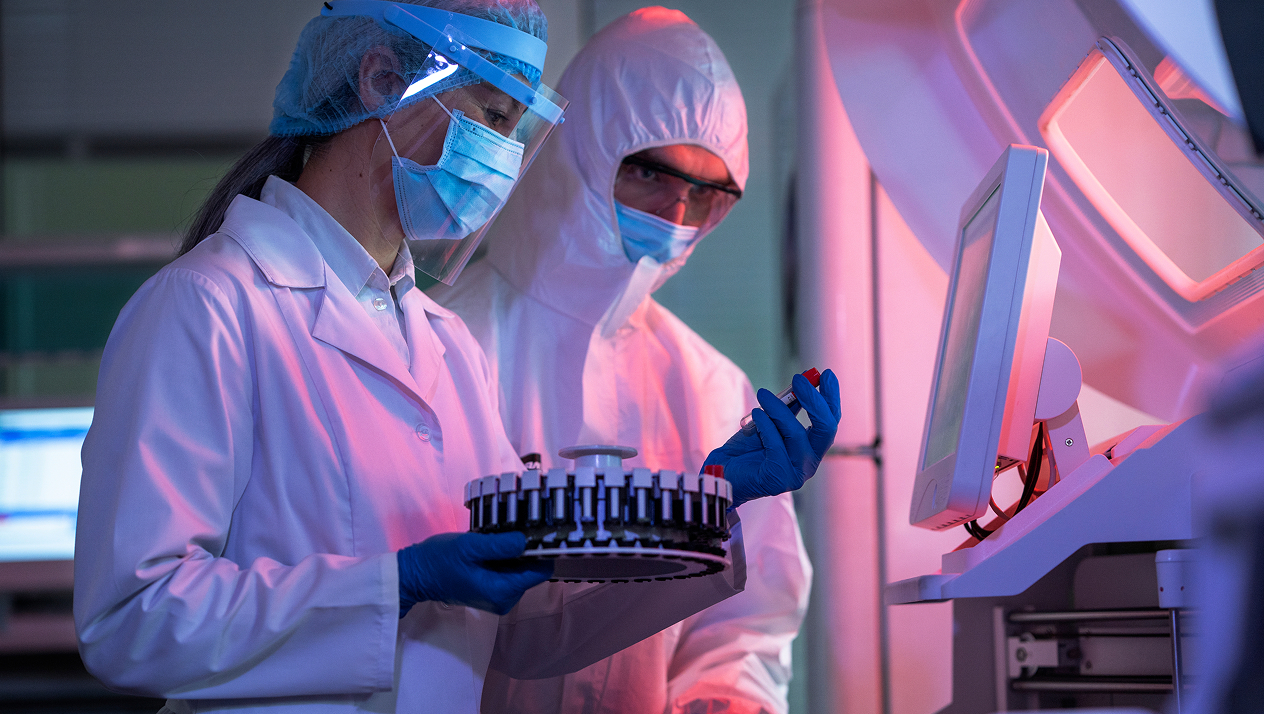
Pharma industry must follow stringent compliance and acceptance standards. Manufacturing process automation can bring zero defect manufacturing that leads to high-quality, contamination-free products that pass every test.

Packaging
One of the perfect automation in manufacturing examples is packing, which has many repetitive tasks like sealing, labelling, wrapping, and more. With industrial automation manufacturing could optimize material usage, reduce packing & accelerate logistics.